First flights in Brazil’s tropics: safety, skills, and confidence for new paramotor pilots
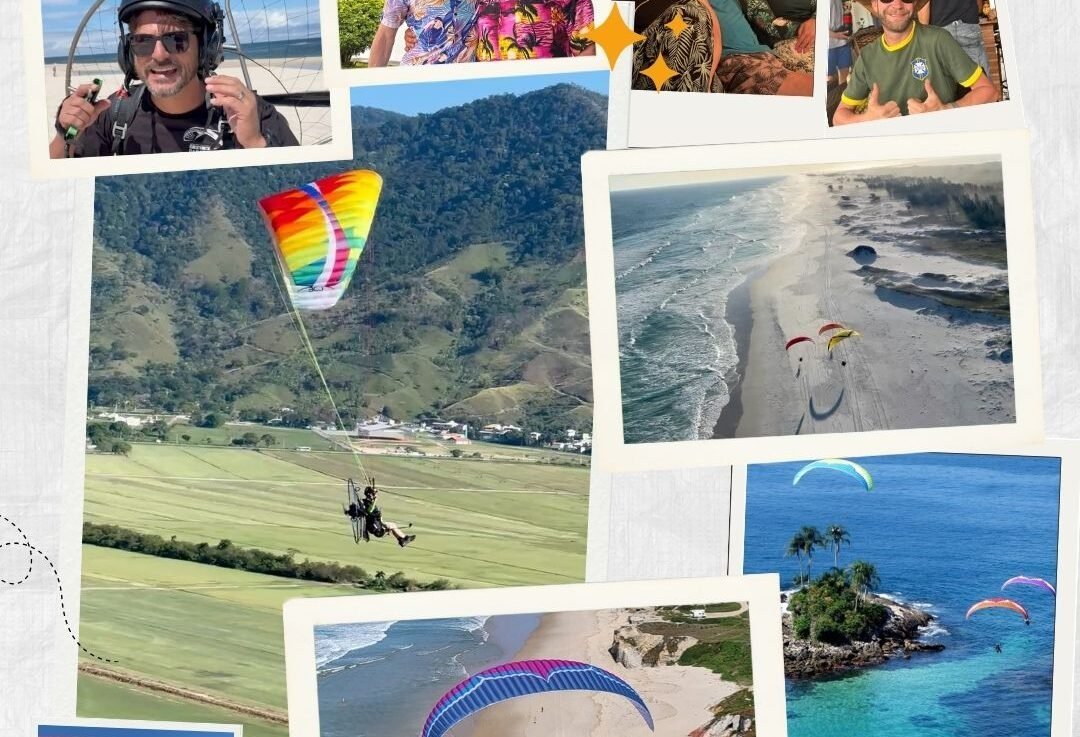
Forget everything you think you know about flying in tropical climates. Brazil’s coast offers stunning skies but demands sharp skills, solid safety habits, and confidence to truly soar. This guide shares beginner paramotor tips to help you navigate coastal winds, beach take-offs, and humidity challenges, setting you up for an unforgettable Rio Extravaganza adventure. Ready to lift off with assurance? [https://wntraveltrips.com/how-to-prepare-for-a-paramotor-trip-gear-safety-and-travel-tips-for-brazil/]
Safety First in Tropical Skies
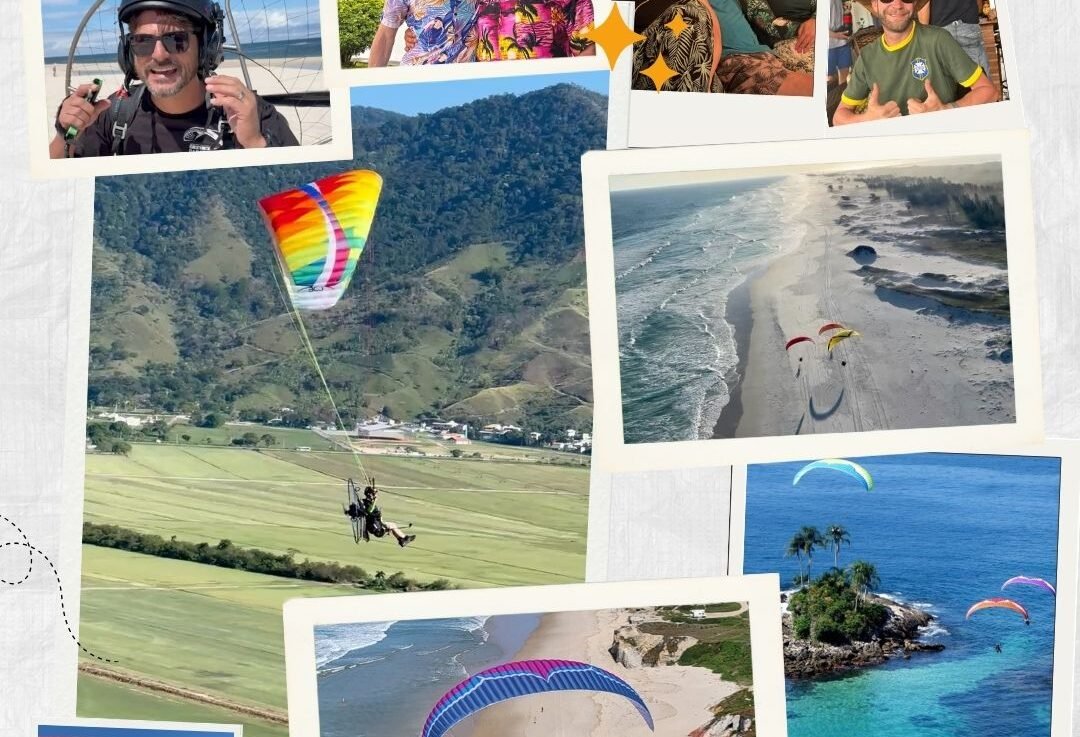
Taking to the skies over Brazil’s coastlines isn’t just about the thrill. It’s about flying smart and safe. To truly enjoy the beauty from above, understanding the very air you float in is key.
Understanding Coastal Winds and Thermals
Winds along Brazil’s coast can be unpredictable. They dance in patterns influenced by the sea and the heat of the land. Early mornings or late afternoons often present the calmest conditions. These times offer smoother, more predictable air—perfect for beginners. Always check local weather reports or apps before you fly. Understanding these patterns helps you anticipate changes, keeping you in control.
Essential Paramotoring Safety Briefing
Knowing your safety basics is crucial. Start by checking your equipment. Is your harness secure? Engine functioning? A pre-flight checklist is your best friend. When flying, always keep a safe distance from buildings and people. Emergency procedures should be second nature. Practice these regularly, so you’re ready if something goes awry. Explore more essential safety tips here.
Launch and Landing on Sand
Launching and landing on sand can be tricky. Sand offers less grip, so your take-off technique needs to be spot-on. Practice running smoothly, building momentum before you lift off. For landing, aim for a soft touchdown. Bend your knees slightly to absorb impact. Sand can be forgiving, but it requires skill to master.
Building Skills and Confidence

Your skills are your wings. As you grow more confident, you’ll enjoy the freedom of flying even more. Let’s dive into how you can build these essential skills.
Radio Comms for Pilots
Communication is vital in the air. A reliable radio connection keeps you linked with fellow pilots and ground support. Practice clear, concise communication. Say what you see. If you spot a change in weather, share it. Radios are your lifeline, especially when conditions change unexpectedly. Keep your messages simple and to the point for efficiency.
Mastering Beach Take-Offs
Beach take-offs require finesse. Begin by ensuring your lines are tangle-free. The beach offers space, but wind direction can change quickly. Position yourself facing into the wind, and build your speed steadily. Lift your feet as the canopy rises, letting it carry you. Practice makes perfect, so keep honing your skills every chance you get.
Weather Windows in Brazil
Brazil offers many flying windows, but knowing when to seize them is an art. Mornings and late afternoons generally provide the best conditions. Clouds can signal changes. Use apps to track weather patterns. Being prepared means fewer surprises and more enjoyment.
Gear Care in a Tropical Climate
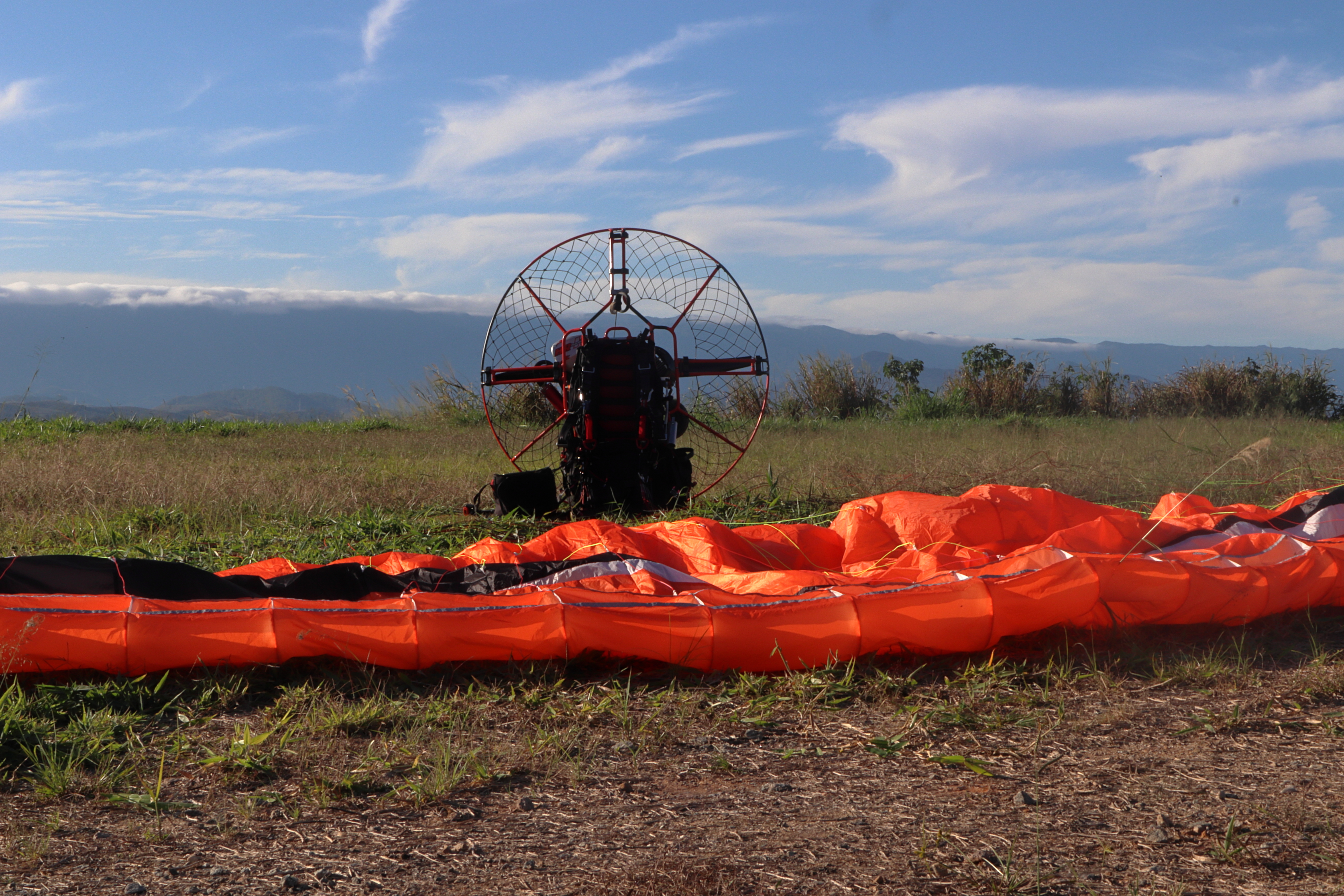
Brazil’s climate is beautiful but can be harsh on your gear. Taking care of your equipment ensures it takes care of you in return.
Humidity and Gear Maintenance
High humidity can be tough on gear. It’s essential to dry your equipment thoroughly after each flight. Moisture can weaken lines and corrode metal parts. Use a soft cloth to wipe down your gear. Regularly inspect for signs of wear. Proper maintenance keeps your gear reliable and safe.
Preventing Salt Air Corrosion
The sea air is full of salt, which can damage metal components. Rinse your gear with fresh water after flying near the coast. Pay special attention to connectors and fasteners. A little care goes a long way in preventing corrosion, keeping your gear in top shape.
Reserve and Flotation Setup
Safety gear is non-negotiable. Your reserve parachute and flotation setup are essential. Check them before each flight. Ensure your harness is comfortable and your flotation devices are secured. Confidence in your equipment translates to peace of mind in the air. Learn more about setting up your gear properly here.
Embrace every flight with the knowledge and confidence to make it memorable. Your journey above Brazil’s stunning landscapes awaits. Fly safe, explore more, and let Rio Extravaganza guide your adventure.